Explore the Heart of Defiance: Visiting the Warsaw Uprising Memorial Museum
The Warsaw Uprising Museum serves as a monument honoring human resilience against tyranny. It presents a unique insight into the hardships suffered during a pivotal moment in history. Visitors can engage with compelling exhibits showcasing personal stories and collective memory. This exploration of the past raises important questions about freedom and the ongoing struggle for democratic values. What wisdom can be extracted from these stories, and how do they connect to our modern world?
The Reasons The Warsaw Uprising Remains Important Today
The relevance of the Warsaw Uprising holds great weight in today's world, embodying resilience in the face of oppression. This historical event, which unfolded during the Second World War, highlights the valor of the people who stood against oppression, rendering it a significant benchmark for current struggles against authoritarian forces. The revolt acts as a reflection of the lives given for independence, fostering a spirit of duty to preserve democratic values today.
In an era marked by rising nationalism and populism, the Warsaw Uprising's lessons promote watchfulness against the undermining of civil freedoms. It further cultivates a mutual recognition of the value of collective action in advocating for human rights. Moreover, the uprising unites generations, linking the narratives of past heroes read this article with contemporary movements for justice. Therefore, its enduring legacy motivates people and communities across the globe, emphasizing the enduring fight for freedom and equality.
Explore Key Exhibits and Personal Stories
When touring the museum dedicated to the Warsaw Uprising, guests are able to explore key exhibits that bring the harrowing experiences of those involved to life. The collection housed within the museum features personal artifacts, photographs, and documents that illustrate the daily struggles faced by both civilians and resistance fighters. Among the most touching exhibits is one featuring a collection of letters written by insurgents, revealing their hopes and fears during the uprising. A further exhibit illuminates the narratives of households that were uprooted, underlining the devastating human cost of war.
Moreover, the exhibit displays uniforms and weaponry used during the rebellion, offering insight into the dire conditions. The account is deepened by recorded testimonies of survivors recounting their experiences, bringing a heartfelt perspective to the historical events. These installations not only inform guests about the revolt but also recognize the strength and valor of those who stood up for their community, making the past resonate with modern visitors.
Can't-Miss Interactive Exhibits at The Museum
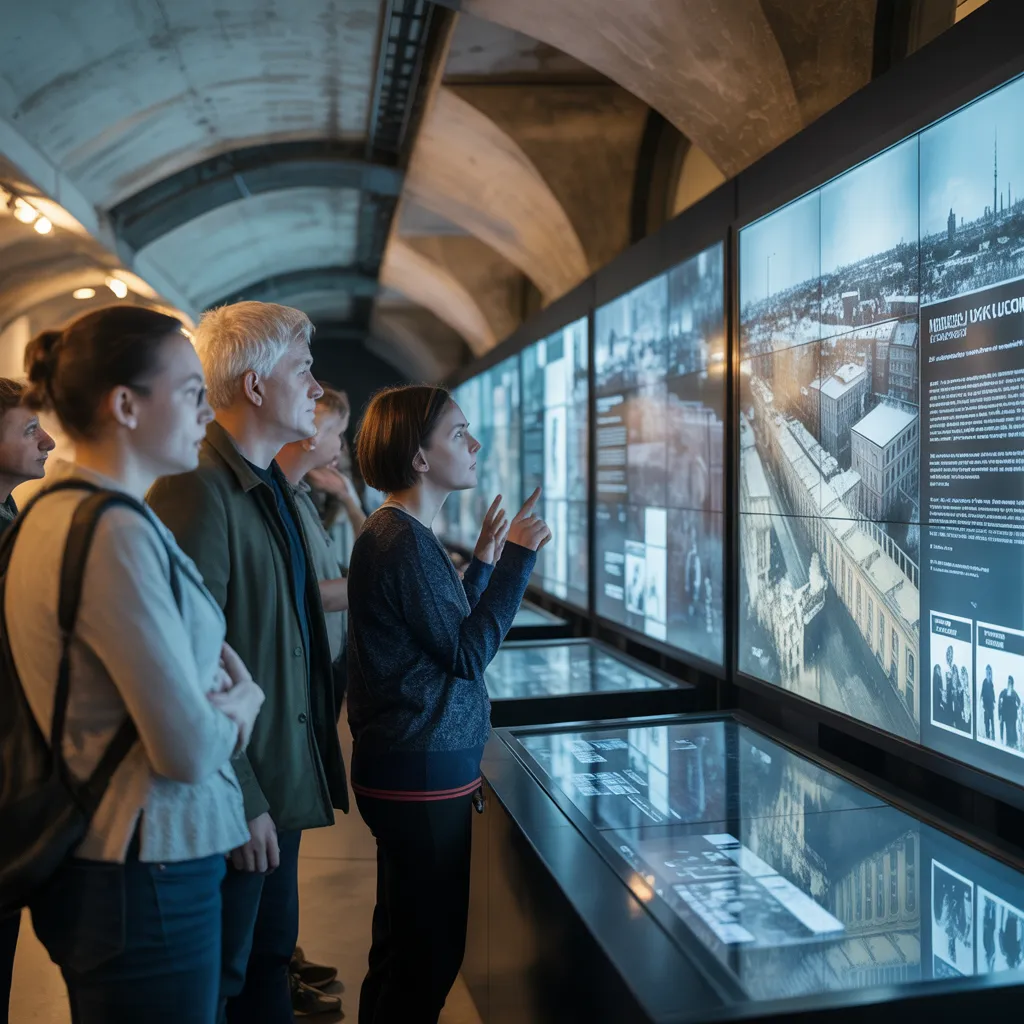
In what ways can interactive exhibits deepen knowledge of the Warsaw Uprising? At the Warsaw Uprising Museum, such exhibits provide an engaging and dynamic approach to exploring history. One standout exhibit allows visitors to navigate a virtual map of the city as it existed during the uprising, providing context to the geographical challenges faced by insurgents. A further immersive exhibit recreates the sounds of combat, surrounding visitors with the powerful atmosphere of resistance.
Additionally, the museum features a moving interactive wall where guests can leave personal reflections, cultivating a meaningful connection to the history being told. Digital touchscreens feature eyewitness stories from survivors, bridging the gap between then and now. Such interactive features not only teach but also generate understanding, rendering the intricacies of the Warsaw Uprising more accessible and relatable. Via these creative exhibits, the museum transforms historical learning into an engaging journey that leaves a lasting impression with visitors.
Tips For Visiting The Museum
What important tips can help maximize a visit to the Warsaw Uprising Museum? Initially, visitors should plan to spend at least two to three hours thoroughly exploring the exhibits. Guests are encouraged to purchase tickets online ahead of time to bypass lengthy lines, particularly during busy tourist seasons. Audio guides are available and recommended, as they provide valuable context and deeper insights into the exhibits.
Coming early in the morning can additionally improve the overall experience, allowing for a quieter atmosphere. Appropriate footwear is necessary, as the venue involves significant amounts of walking and standing. Furthermore, guests are encouraged to review the museum's calendar for exclusive events, educational workshops, or informative guided tours that may deepen their knowledge. Finally, consulting with museum personnel for suggestions can lead to discovering lesser-known artifacts and stories that illustrate the enduring spirit of Warsaw's people during the uprising.
How The Uprising Forms Modern Polish Identity
The Warsaw Uprising stands as a pivotal event in Poland's rich history, deeply shaping the collective identity of the nation. This 1944 resistance against Nazi occupation embodies valor, strength, and the fight for independence. The Uprising has emerged as a key reference point in modern Polish nationalism, nurturing a sense of unity among citizens who view it as an homage to their common heritage and principles.
In contemporary Poland, the Uprising is honored in numerous ways, from official gatherings to cultural celebrations, deepening a communal memory that influences national awareness. The bravery demonstrated during the Uprising is celebrated in literature, film, and art, functioning as an enduring symbol of national pride.
Moreover, the Uprising's legacy inspires ongoing discussions about historical memory, sacrifice, and democracy, shaping civic engagement and political discourse. Thus, the Warsaw Uprising stands as a foundation of the Polish national identity, reflecting the enduring spirit of resistance and the quest for sovereignty.
Motivating Future Generations Through The Museum
The Warsaw Uprising Museum serves a vital function in educating young visitors by means of its hands-on exhibitions, which immerse them in the historical events of the insurrection. In maintaining these accounts, the institution not only honors the past but also cultivates a feeling of duty in the next generation. This methodology cultivates a deeper understanding of history and its ongoing impact on Polish identity.
Learning Through Interactive Exhibits
While many museums aim to preserve history, the Warsaw Uprising Memorial Museum adopts a unique methodology by immersing visitors in interactive displays. These meticulously planned displays allow guests to fully experience the perspectives of those who survived the uprising. By utilizing multimedia displays, virtual reality environments, and interactive activities, the museum cultivates a profound appreciation of the historical context and emotional weight of the events. Guests can examine genuine artifacts and participate in narratives that brings history to life, ensuring it resonates with future generations. This hands-on approach not only teaches but also nurtures understanding and reflective thinking, ensuring that the lessons of the uprising resonate well beyond the confines of the museum, shaping the perspectives of future leaders.
The Impact of Preserving Historical Narratives
Through its interactive exhibits, the Warsaw Uprising Museum not only educates visitors but also fulfills a significant purpose in preserving historical accounts that connect with those who follow. By presenting firsthand experiences, relics, and multimedia presentations, the museum fosters a greater awareness of the importance of the Uprising. This involvement helps to ensure that the contributions made during this crucial period in history are not overlooked. The museum underscores the importance of collective memory, resilience, and bravery, inspiring young people to reflect on their own principles and duties. As attendees engage personally with the past, they are encouraged to become engaged contributors in creating a more equitable future. Consequently, the museum serves as a vital channel for transmitting these essential accounts over the years.
Personal Accounts That Bring History to Life
Amidst the remnants and collections of the Warsaw Uprising's commemorative museum, personal narratives stand out as striking expressions of endurance and valor. Every account, be it from a combatant or an ordinary citizen, delivers a deeply moving insight into the personal journey during one of the most somber chapters in history. The exhibit features written correspondence, journals, and spoken accounts that convey the sentiments of sorrow, aspiration, and courage, enabling guests to forge a profound connection with history.
These narratives highlight the intricacies of endurance, illustrating how common people rose to become remarkable heroes. They expose the moral dilemmas experienced amid the uprising and the connections formed through hardship. By showcasing these intimate accounts, the museum not only preserves history but also emphasizes the importance of distinct voices in molding collective remembrance. In the end, these intimate narratives reshape the perception of the uprising, allowing it to resonate in current dialogues concerning resistance and identity.
Common Questions and Answers
What Are the Museum's Hours of Operation and Entry Fees?
The museum operates seven days a week from 10 AM to 6 PM, with Thursday hours extended until 8 PM. Admission fees are 25 PLN per adult, while students and seniors enjoy reduced rates at 15 PLN.
Does the Warsaw Uprising Museum Offer Guided Tours?
Indeed, guided tours can be arranged at the museum. Such tours offer detailed information into the displays and historical background, enhancing visitors' understanding of the significance and events of the historical uprising. Advance reservations are strongly advised.
Is Photography Permitted Inside the Museum?
Photography is generally not permitted inside the museum so as to safeguard the exhibits and maintain the respectful atmosphere of the venue. Attendees are kindly asked to appreciate the experience without the use of cameras, directing their attention toward the historical importance of the artifacts.
Can I Find a Gift Shop or Café On-Site?
Indeed, the museum offers both a retail shop and a cafeteria within the facility. Patrons have the opportunity to shop for keepsakes and indulge in light refreshments, making their experience more enriching while discovering the historical importance of the museum's displays.
Do You Have Any Special Events or Exhibitions Planned?
The museum regularly hosts special events and exhibitions. Future programs offer lectures, film screenings, and interactive displays, providing visitors with deeper insights into the historical significance of the Warsaw Uprising and its enduring legacy.
Comments on “Popular Things to See at Warsaw Uprising Museum Today”